From Representation to Algorithms: Art and Culture in the Last 100 Years

Updated: Mar 30
The past century has been a period in which not only the form of art changed, but its meaning, modes of production, and even the question of whom it belongs to were fundamentally reexamined. Wars, economic crises, and technological advances redirected art from representation to ideas, from objects to experiences; meanwhile, across cinema, music, visual arts, and digital fields, production centered on the “creative human” increasingly began to merge with AI-supported processes. All of these transformations took place within a very short span of time compared to previous centuries of human history. In this context, understanding the evolution of art over the last hundred years and how these shifts have shaped our lives is essential for making sense of both the present and the future.

Social Tension and the Birth of Individual Creativity
Between 1925 and 1950, a period marked by rapid industrialization and urbanization, the aftermath of World War I and the economic crises leading up to World War II made it imperative for art to express individual creativity. In the classical era, from the 15th to the 19th century, art was largely shaped by the patronage system: the church, monarchy, and aristocracy determined the subject and form, while the artist assumed an executing role. The primary function of art was to represent, glorify, and make the existing order visible. Opportunities for personal expression were limited, and innovation mostly occurred slowly within established traditions. In the 20th century, however, the emergence of individual freedom and a tradition of social critique pushed artists toward creative autonomy and new forms of expression. Art ceased to be merely an aesthetic object and became a medium reflecting both social and individual experience.

During this period, the art world came under the influence of movements that questioned tradition while reflecting post-war traumas and societal uncertainties. Dada and Surrealism, through artists such as Marcel Duchamp, Salvador Dalí, René Magritte, Max Ernst, and Joan Miró, reinterpreted both objects and meanings. From the late 1940s, Abstract Expressionism began to rise in the United States; artists like Jackson Pollock, Mark Rothko, and Hans Hofmann emphasized individual emotions, strengthening the psychological and experiential dimensions of modern art. At the same time, war photography and documentary styles recorded the impact of conflict and social change, becoming a vital form of artistic expression.

The transition from silent to sound film in cinema (The Jazz Singer, 1927, Alan Crosland) transformed it into a universal narrative language. During the same period, color film technology gradually developed; experiments with Technicolor in the 1930s, exemplified by The Wizard of Oz (1939, Victor Fleming) and Gone with the Wind (1939, Victor Fleming), demonstrated the narrative power of color in film. Fritz Lang’s Metropolis (1927) visualized the social impacts of modern industrialization, while Sergei Eisenstein’s Battleship Potemkin (1925), particularly the Odessa Steps sequence, showcased the dramatic potential of montage. Hollywood’s Golden Age reached its peak in the 1940s; Orson Welles’ Citizen Kane (1941), a technically and narratively innovative masterpiece, left a lasting mark on film history, while Casablanca (1942, Michael Curtiz) and The Maltese Falcon (1941, John Huston) showcased mature examples of classic Hollywood storytelling. John Ford’s Stagecoach (1939), meanwhile, laid the foundation for the modern Western, making cowboy films a key part of the Golden Age.
During this period, theater followed a classical structure focused on text and acting, with an emphasis on the believability of characters and the portrayal of actors' inner lives. Musicals were primarily designed for entertainment and spectacle; song and dance offered the audience an enjoyable escape. Broadway and the West End became the central hubs of musical production during this era.

In music, jazz and blues became widespread in the United States, particularly following World War I, alongside migration, urbanization, social changes and technological advances. In major cities, especially cultural centers such as New Orleans, Chicago and New York, the creative output of African American communities fueled the rise of jazz and blues. During this period, radio and record technology facilitated the mass dissemination of music. Musicians such as Duke Ellington, Louis Armstrong and Billie Holiday brought individual creativity and social experience to the stage.
Existentialist philosophy also gained prominence during this time, thanks to thinkers such as Jean Paul Sartre and Albert Camus, focusing on human freedom, responsibility and the absurdity of life. In literature, writers such as James Joyce, Virginia Woolf, Ernest Hemingway and F. Scott Fitzgerald placed individual experience and psychological depth at the center of their work.
Mass Culture and the Rise of Television

Between 1950 and 1970, television became central in households. News, live performances, series and entertainment shows set the social rhythm. During this period, television was not only a tool for entertainment but also a medium that shaped social norms and popular culture. While most households in the United States had televisions, widespread adoption in Europe occurred in the 1960s. The color television became widespread by the mid 1960s. Live coverage of wars, historical events and space programs became a powerful tool that both informed viewers and reinforced the cultural norms of the era. The pace of daily life was defined by evening news and prime time series. Shows such as I Love Lucy (1951 to 1957), The Twilight Zone (1959 to 1964) and The Ed Sullivan Show (1948 to 1971) reached millions of viewers and became cultural phenomena. Soap operas, game shows and sports broadcasts also influenced social rhythms and shaped audience behavior. Advertising accelerated alongside the rise of television. Coca Cola’s Christmas commercials, Marlboro cowboys and Ford automobile promotions represented not only products but also the American dream and modern lifestyles. Children’s programs and cartoons, combined with product promotion, left lasting effects on young audiences.

During this period, art history witnessed the emergence of new movements through figurative and modern expressionist approaches. Lucian Freud and Francis Bacon interpreted figurative representation with a powerful, emotional and striking style, creating a strong impact on viewers. Pop Art, through artists such as Andy Warhol, David Hockney and Roy Lichtenstein, brought elements of everyday life and popular culture to the center of art. Advertising, consumer products and cultural icons reduced the distance between art and its social context.

Cinema experienced a significant period of maturation both technically and narratively. Musicals such as Singin’ in the Rain (1952, Gene Kelly and Stanley Donen) reflected the era’s entertainment sensibilities and aesthetic tastes, while epic and choreographic productions like Ben-Hur (1959, William Wyler) and West Side Story (1961, Jerome Robbins and Robert Wise) offered a visual spectacle on the big screen. Alfred Hitchcock, with films such as Rear Window (1954), Vertigo (1958), Psycho (1960) and The Birds (1963), refined the thriller and horror genres, skillfully exploring audience psychology and dramatic tension. Ingmar Bergman, with Wild Strawberries (1957), The Seventh Seal (1957) and Persona (1966), delved deeply into psychological and existential themes. Actors such as Marlon Brando, James Dean, Audrey Hepburn, Elizabeth Taylor and Humphrey Bogart became iconic figures of the era; their performances shaped both film characters and social perceptions. During this period, youth culture, the civil rights movement and Cold War themes were reflected in films, making cinema both a source of entertainment and a medium for social commentary.
In theater, Samuel Beckett’s absurd plays and Harold Pinter’s dramatic works invited the audience to reflect and become part of the performance. Musicals also evolved beyond mere entertainment, becoming mature productions that conveyed character development and conflicts.

Music experienced a revolutionary period. In the 1950s, Elvis Presley, Chuck Berry and Little Richard made music rebellious, energetic and the voice of youth through rock and roll, while artists such as Ray Charles, Sam Cooke and Aretha Franklin brought both emotional and social depth to R&B and soul. Jazz musicians like Miles Davis, John Coltrane and Thelonious Monk broke conventional patterns, developing innovative and original styles. In the 1960s, The Beatles, The Rolling Stones, Jimi Hendrix and Bob Dylan transformed mass experience by combining music and stage performance across a wide spectrum, from folk and protest music to psychedelic rock. Artists such as Joan Baez, Simon and Garfunkel, The Doors and Jefferson Airplane also shaped the sound of the era. Imagine how unfortunate it would have been to live before these years and miss the icons of world music history, just as missing the era of Beethoven, Chopin, Schubert or Brahms in the previous century. Today, being able to listen to the works of all these musicians is truly a great privilege.
Postmodernism and the Proliferation of Media

Between 1970 and 2000, social changes, economic crises and technological advances ushered in a postmodern era in art and media. Television during this period became more institutionalized, diversified and globalized. Productions such as Dallas, Dynasty, MASH*, Cheers and The Cosby Show did more than entertain; through their characters, stories and themes, they shaped cultural norms. With the launch of CNN in 1980, viewers gained access to a continuous news flow at all hours; wars, disasters and global events reached audiences in real time, making television both an information source and a tool for social connection. In the 1990s, reality shows such as Survivor, Big Brother and The Osbournes shifted audiences from passive spectators to active participants who empathized with characters and engaged in discussions about the stories.
In the art of this period, postmodern and experimental approaches came to the forefront. Marina Abramović, Vito Acconci and Chris Burden made the audience an integral part of the process through performance and installation. Jenny Holzer and Nam June Paik addressed social and cultural themes through conceptual and video art. Cindy Sherman gained prominence with photographic works exploring identity and representation, while Jeff Koons and Damien Hirst challenged the boundaries of contemporary art through consumer culture and provocative objects. During this period, art moved away from traditional painting and sculpture, placing audience interaction and experience at its center.


Hollywood has produced numerous iconic films that have left a mark on every era of cinema history. It reached a pinnacle with The Godfather from 1972, while Star Wars from 1977 launched popular culture and blockbuster cinema. In the 1980s and 1990s, films such as Taxi Driver from 1976, Back to the Future from 1985, Goodfellas from 1990, Léon The Professional from 1994, Pulp Fiction from 1994, Fight Club from 1999, Titanic from 1997 and One Flew Over the Cuckoos Nest from 1975 redefined narrative structures and visual language. Jurassic Park from 1993 brought the potential of digital visual effects into the mainstream and created a technological breakthrough. In 1999, The Matrix combined cinema with digital technology and marked the beginning of a new era. Directors whose films we now eagerly anticipate as tributes to their mastery, including Steven Spielberg, Martin Scorsese, Quentin Tarantino, David Lynch, Francis Ford Coppola, Stanley Kubrick, Woody Allen, George Lucas, Tim Burton, Joel and Ethan Coen and Paul Thomas Anderson, rose to prominence during this period. Actors who captivated audiences with their unforgettable performances, including Robert De Niro, Al Pacino, Meryl Streep, Jack Nicholson, Tom Hanks, Harrison Ford, Samuel L. Jackson, Edward Norton, Uma Thurman, Bruce Willis, Michael Douglas, Sharon Stone, also defined the era. This period shaped both independent cinema and popular culture films, laying the foundations of contemporary cinema.
During this period, theater broke traditional stage conventions and narratives, emphasizing body movement, set design, and social themes. Musicals expanded into large-scale productions with striking visuals and memorable music, reaching international stages. The “mega-musical” concept, influenced by pop and rock, targeted younger audiences.
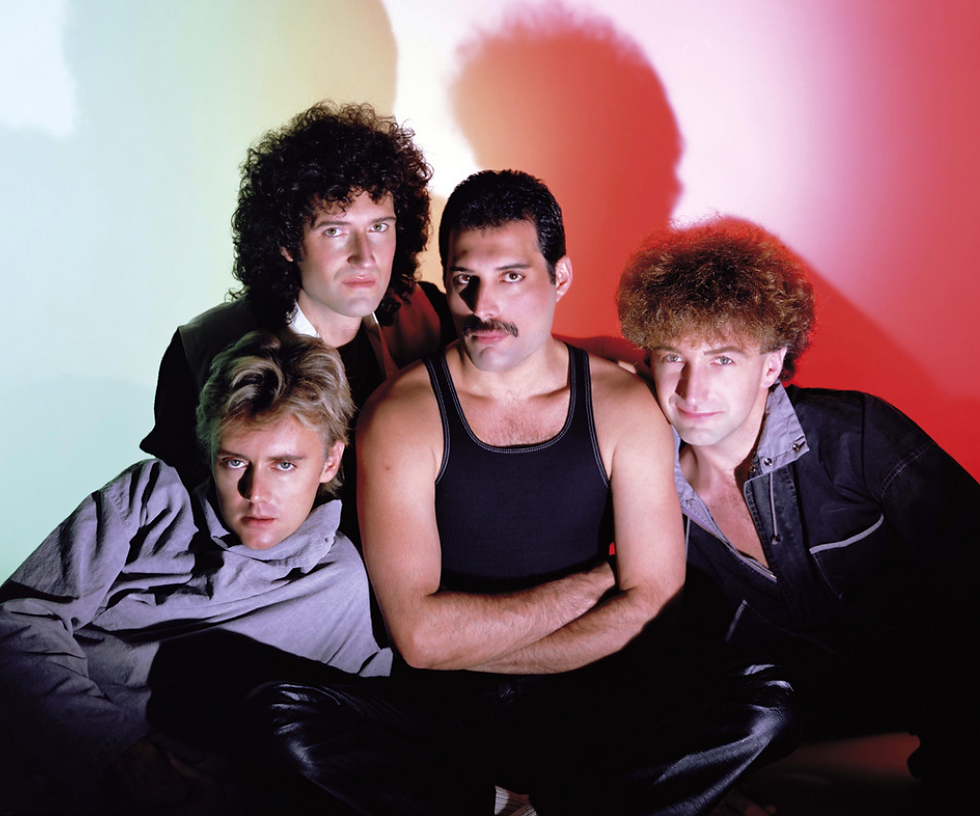
In music, during the 1970s and the following decades, artists such as Queen, David Bowie, Led Zeppelin and Pink Floyd transformed music into a mass experience with attitude and message, captivating large audiences. During this period, Michael Jackson and Madonna visualized their stage performances, reshaping the mass experience. In the 1980s, MTV and music videos combined music and visuals, accelerating the creation of a global popular culture. New genres such as hip hop, electronic, new wave and alternative rock rose to prominence through pioneering artists such as Dr. Dre, Public Enemy, Daft Punk, Depeche Mode and Radiohead.
Post 2000 Digitalization and Experiential Art

In the twenty first century, digitalization began with the spread of the internet and the use of mobile phones at first, followed by smartphones. This increasingly advanced technological infrastructure fundamentally changed the ways people consume and produce content. Art and media became a participatory, experience-focused field shaped by algorithms. Facebook, Instagram and Twitter formed the basis of social interaction, while YouTube, TikTok, Twitch, Snapchat and podcasts introduced new forms of narrative and performance that gained visibility in everyday life. Television-centered viewing habits gave way to streaming platforms such as Netflix, Amazon Prime Video, Disney Plus and Apple TV Plus. People became not only viewers but also creators and content producers who could gain fame on a micro scale. In this multi-screen environment, where attention spans shortened and the number of messages increased, audiences became more active, yet their choices remained partially limited within an algorithmically directed content landscape.

In cinema, technology became a central tool for creative expression. In the post 2000 period, many films that left a mark on film history and transformed narrative language emerged. The Lord of the Rings trilogy from 2001 to 2003 combined digital effects with epic storytelling, while The Dark Knight from 2008, Inception from 2010 and Interstellar from 2014 made complex narratives visible in mainstream cinema. Films such as Mulholland Drive from 2001, No Country for Old Men from 2007, There Will Be Blood from 2007, Black Swan from 2010, Her from 2013, Birdman from 2014, La La Land from 2016, Parasite from 2019, Everything Everywhere All at Once from 2022 and Poor Things from 2023 shaped contemporary cinema both aesthetically and narratively. During this period, audiences eagerly anticipated films by directors such as Christopher Nolan, Bong Joon Ho, Paul Thomas Anderson, David Fincher and Yorgos Lanthimos. We watched the remarkable performances of actors including Johnny Depp, Leonardo DiCaprio, Brad Pitt, Keanu Reeves, Julianne Moore, Charlize Theron, Cate Blanchett, Penélope Cruz, Natalie Portman, Scarlett Johansson, Joaquin Phoenix, Benedict Cumberbatch, Olivia Colman, Rami Malek, Emma Stone, Jennifer Lawrence, Timothee Chalamet, Song Kang-ho, Michelle Yeoh.

In the digital era after 2000, visual art expanded through artificial intelligence, algorithms, and interactive media. Refik Anadol combined space with data and visuals to create immersive spatial and visual experiences, while Sougwen Chung used AI and robotics to produce performance- and drawing-focused interactive experiences. Olafur Eliasson and Yayoi Kusama strengthened physical and spatial experiences. Virtual reality, augmented reality, and generative art involved the audience directly in the process. Blockchain and NFTs have transformed the visibility of digital art and the global scope of art collecting.

In music, in the early 2000s, artists such as Beyoncé, Shakira, Britney Spears, Katy Perry, Lady Gaga, Pink and Coldplay combined stage visuals with performance, strengthening mass engagement. More recently, Taylor Swift, Billie Eilish, Dua Lipa, The Weeknd and Bad Bunny developed a new model of performance and production that interacts directly with audiences through social media and streaming platforms. The digitalization that has spread into every aspect of life, especially after COVID, and the introduction of artificial intelligence have brought many non human generated works to the forefront. Today, millions listen to albums released by artificial intelligence based music applications such as Aventhis.
The Dance of Art and Technology
The past century has clearly shown the impact of social and technological changes on art and communication, giving rise to new movements, icons and media forms. Social events and technological and cultural innovations accelerated developments compared to previous centuries. Digitalization and algorithms transformed the ways culture and art are experienced, reshaping trends. In the coming period, art will continue to produce new subfields and disciplines, placing creativity and audience interaction at its center. It seems we will not need to wait a century for this; very soon we will be discussing new forms of communication and culture and art. Let us enjoy and explore this rich resource of knowledge, production and creativity, which previous generations did not have at their disposal.


What a lovely article, seamlessly blending cinema, art, music, TV, and painting and more into a timeless journey. Art lovers are truly fortunate.